
Sketch Faster, Explain Smarter
Step into a practical journey focused on visual sketch habits that help you communicate complex ideas quickly. We will build muscle memory for speedy marks, sharpen visual grammar, and practice timeboxed drills that turn messy thoughts into clear layouts. Expect stories from real workshops, ready-to-use templates, and gentle challenges that fit busy days. Share experiments, ask for feedback, and grow skills alongside fellow visual thinkers who value clarity, momentum, and respectful collaboration.
The Visual Alphabet That Works Under Pressure
When time is short and ideas are tangled, a compact visual alphabet lets you draw meaning faster than words alone. Circles, lines, arrows, containers, and simple figures become universal cues that audiences immediately parse. We will practice consistent shapes, decisive strokes, and purposeful spacing, so your sketches carry structure even when your hand is racing. Try these patterns in quick stand-ups, stakeholder briefings, and impromptu whiteboard debates, then share what felt intuitive and what needs refinement.
Lines, Arrows, and Containers
Lines separate, arrows suggest motion or logic, and containers signal context or boundaries. By standardizing arrowheads, choosing two line weights, and using rounded rectangles for groups, you reduce ambiguity and speed decisions. Practice with thirty-second sprints: outline relationships, highlight priorities, and avoid decorative flourishes. Keep symbols consistent across pages so viewers transfer recognition instantly. Post a snapshot of your set and note which marks created the clearest aha moment for colleagues.
From Scribble to Structure in Under a Minute
Begin with a quick frame, drop three key nouns, connect them with directional arrows, and annotate with verbs. This four-step loop prevents rambling diagrams and forces intent before detail. Set a timer, produce three variations, and circle the most legible composition. Keep gestures big to stay loose and legible across the room. Invite a teammate to narrate what they see without prompts; if their read matches your intention, you have achieved productive structure.
Habit Loops That Train Speed and Clarity
Clarity becomes instinct when practice is small, frequent, and rewarding. Create daily micro-sessions that begin with a cue, run a timed routine, and end with a quick reflection. Track streaks publicly to build accountability, and keep prompts near your desk to eliminate friction. By rehearsing under time constraints, you prepare for real meetings where attention is scarce. Share your loop plan, celebrate tiny wins, and ask others for prompts that stretch your comfort zone responsibly.

Anatomy of a One-Page Explainer
A strong one-pager guides the eye from big promise to clear proof. Use a headline question, a central metaphor, three supporting panels, and decisive arrows that tour the logic. Keep captions crisp, legends visible, and margins generous for notes. This structure fits pitch meetings, onboarding, and research readouts. We will break down examples, rebuild them from scratch, and test comprehension by asking someone new to narrate the page without hints. Publish your favorite layout experiments for community critique.
Paper First, Because It’s Faster
Loose sheets invite fearless iteration and fast rearrangement. Tear, tape, and re-sequence without software friction. Use a light grid to steady alignment while staying flexible. Clip pages to create impromptu story walls that evolve during discussions. Photograph spreads to archive progress and spot patterns over time. Encourage teammates to annotate directly on paper, capturing authentic reactions. Post your simplest paper workflow and one surprising habit that keeps you moving when meetings accelerate unexpectedly.
Markers, Pens, and Line Weight Discipline
Carry one bold marker for anchors, one fineliner for details, and a brush pen for expressive accents. Commit to two weights in any single sketch to prevent muddiness. Practice pressure control on warm-up lines before sessions. Replace dried tips promptly to avoid scratchy hesitation. Label caps with tape for quick identification. Share a short video demonstrating how switching weights clarifies hierarchy, then invite comments on favorite brands that glide reliably across both copy paper and index cards.
Digital Without the Drag
Set up a minimal digital workspace: a white canvas, three brushes, and a single grayscale palette. Map hotkeys for undo, zoom, and duplicate frame. Turn off toolbars that tempt perfectionism. Use infinite canvases to collect iterations side by side. Export lightweight images for chat threads and meeting decks. Ask your team which shortcuts remove the most friction, and publish a template file so others can test your streamlined environment and suggest further speed-enhancing refinements.
Live Collaboration and Remote Whiteboards
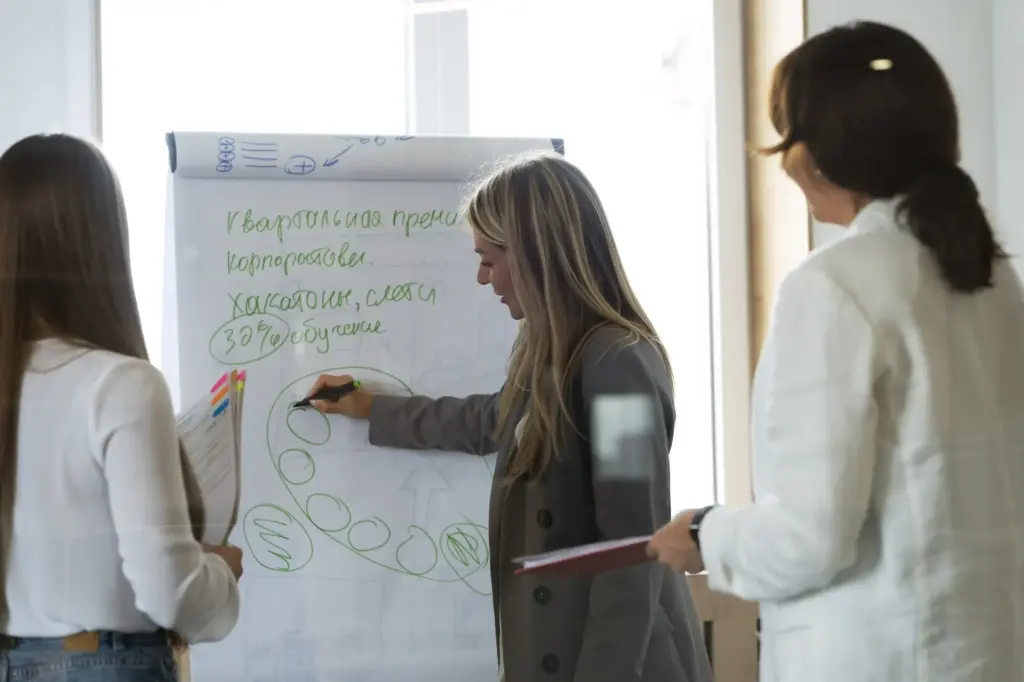
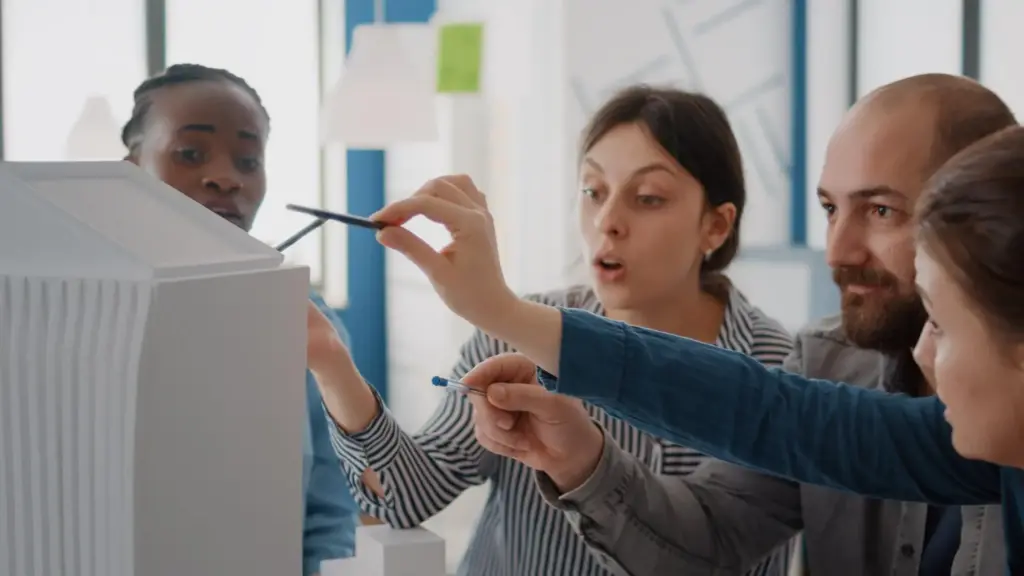
Facilitating in real time demands kindness, structure, and visible progress. Set expectations, timebox turns, and capture contributions without judgment. Use big strokes so cameras and back rows can follow. Summarize every ten minutes with a clean frame that reflects shared language. In remote sessions, stabilize cameras, reduce latency, and narrate your cursor like a tour guide. Post your facilitation checklist, invite volunteers for practice runs, and trade recording samples to refine pacing and energy together.
All Rights Reserved.